 This
anthology's theme is horror stories that have some connection to shopping malls, those dying bastions of
consumerism. Not that consumerism is dead, mind you. It's that we're transitioning from roaming their
vast corridors of myriad wares to surfing the digital versions on our phones and laptops. To wit,
the editors thought that the demise of shopping malls would make for an excellent theme for a
horror anthology. And I thought so too.
This
anthology's theme is horror stories that have some connection to shopping malls, those dying bastions of
consumerism. Not that consumerism is dead, mind you. It's that we're transitioning from roaming their
vast corridors of myriad wares to surfing the digital versions on our phones and laptops. To wit,
the editors thought that the demise of shopping malls would make for an excellent theme for a
horror anthology. And I thought so too.
The stories cover a wide gamut of horror sub-genres, so it isn't all about gore. There's a "Content Warnings" section—something I've never seen in a horror anthology—which I thought was odd. I mean, it's horror. If your mental health is such that certain things will trigger a traumatic emotional reaction, maybe you shouldn't be reading horror. I know that there are certain aspects that I won't read because of my issues. So I guess a content warning is considerate of the authors, can one find it before purchasing it?
Author representation is quite diverse. While North American authors are present, there are stories from African and Asian authors. Also, there are many non-binary authors in this collection.
Ok, onto the stories. Of the 22 stories in this collection, I liked 15 of them. Of those that I didn't enjoy, a good deal of them were too focused on gender identity, with the mall serving as mere setting. A couple of the others were too esoteric or allegorical to connect with.
On with the good stuff! The opening story, "Hard to Be a Mall God," was excellent. It deals with a demonically possessed escalator. "The Intercessor" shows how retail associates deal with trollish customers. "Why I Won't Eat at the Food Court" is part of the Generation Dead series. It drags in some cosmic horror for teen mutant superheroes to deal with but doesn't forget to add a dash of humor. "A Plague Upon Both Our Houses" is Romeo and Juliet with Zombies in a mall. "A Quick Trip to Ryan's" delves into masochism on a whole another level. "Kim, Ray, Trey, and Morgan" delves into drugs as a mind expanding experience with a dash of cosmic horror.
Some stories confront serious matters. "You Must Drop Buy" tackles the subject of rampant materialism and false promises made by deceptive marketing. In "Poseurs," a teen girl deals with her father's suicide by re-enacting a drama with mannequins.
In case anyone feels I'm being unfair to non-binary character stories, there were good stories that had non-binary characters and authors. These stories didn't lose sight of the objective. For example, "The Basement of Crowley's Artefacts and Interests of the Occult" has some non-binary teens dealing with demonic invocation in the supply room of an odd store in the mall. "Cherry Cola Lips" features a woman reflecting on her first crush back in high school, a girl who wouldn't come out and later disappeared. Rumors are that she was murdered, but the truth is stranger.
My favorite story was the closer, "The Temple of All." Makoma is forced by ritual to take her dead husband's remains into the ancient ossuary. It's a post-apocalyptic story with a touch of Handmaid's Tale where the ultimate act of rebellion is to live.
Yes, I'm glad I read this anthology. While I wish some of the stories were better, the good stories made it worth the price and my time.
Full Disclosure: I backed this book on Kickstarter and received a digital copy as a reward.
\_/
DED


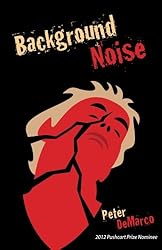 Henry is a background kind of guy. He keeps his life simple, eschewing any kind of a career, observing the working-class lives around him.
  If, like me, you're a Baby Boomer, the suburbs probably played a role in your early life, either as the culmination of your parents' postwar material dreams, or as a green-lawned magical oasis that you could only visit. Cheap suburban real estate was a boon to the working class of the 50's and early 60's, though, as with any new enthusiasm, personal problems did not disappear, and an increasingly unstable economy gave the lie to the concept of easy modern living.